
This post may contain affiliate links . Read my full Disclosure Policy.





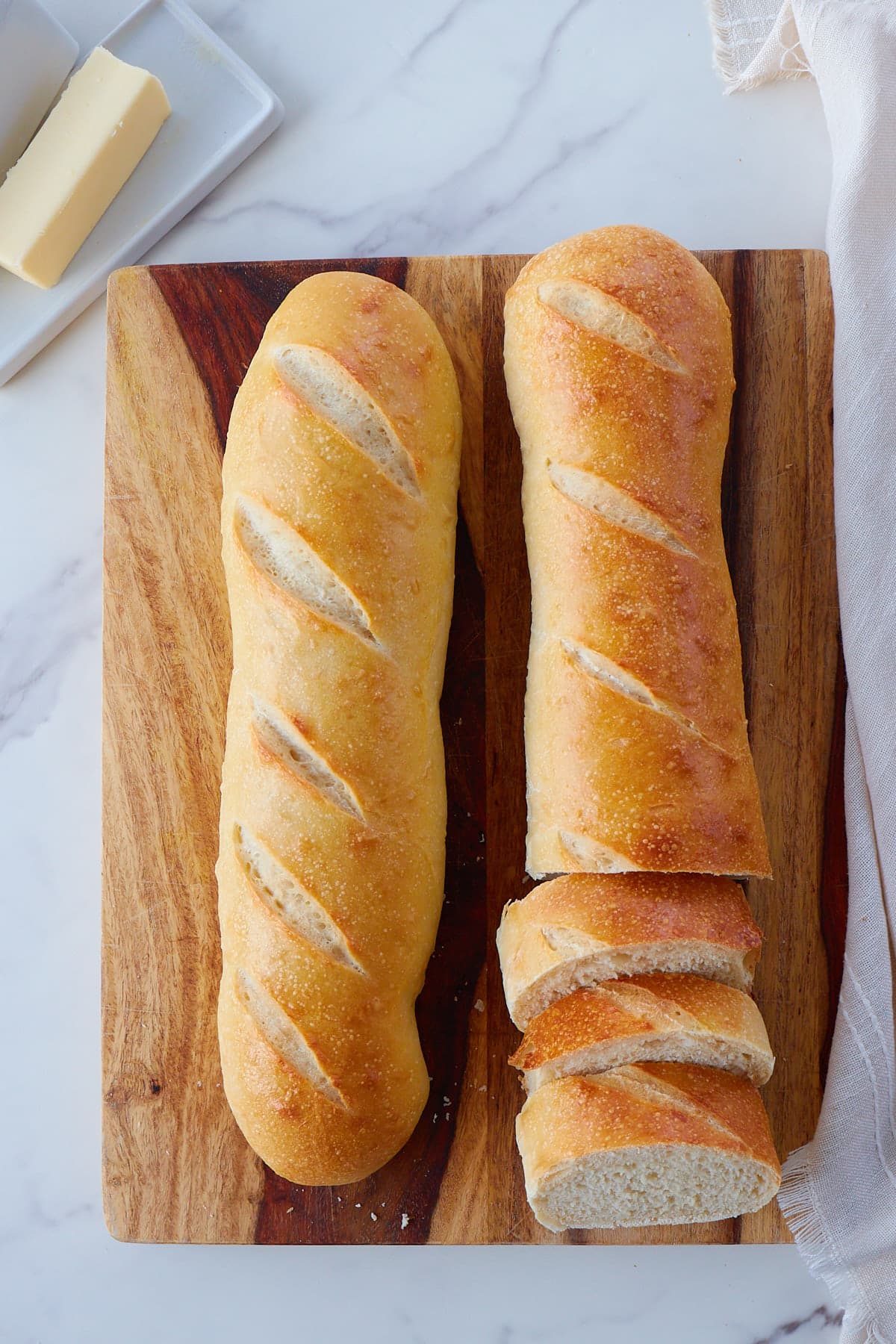
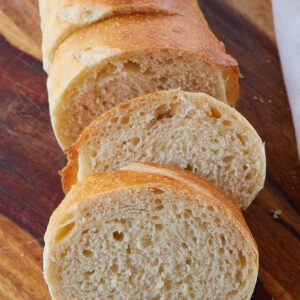
This Sourdough French Bread has a light, airy crumb and a soft, golden-brown crust, making it a versatile loaf you’ll reach for again and again. With a simple same-day timeline, you can mix and knead the dough in the morning, let it rise, then shape and bake it fresh in time for dinner.
Save & Summarize
Perfect as a side for your favorite Italian dinners, this loaf also shines when sliced for sandwiches, sourdough garlic bread, or dipped into soups and sauces. If you’re in a time crunch, you can try my easy sourdough discard french bread that uses yeast to help the rise time go quicker.
Table of Contents
- Why you’ll love this recipe
- Important Ingredients and Substitutions
- Instructions to make Sourdough French Bread
- Recipe Tips
- Sample Baking Schedule
- Storage instructions for sourdough french bread
- Recipe FAQ
- More sourdough sides
- More Recipes You’ll Love from Country Roads Sourdough
- Sourdough French Bread Recipe
Why you’ll love this recipe
- No fancy tools– This recipe is great for beginners! It doesn’t require any fancy tools like a Dutch oven or bread pan. All you need is a baking sheet.
- Versatile recipe– Sourdough French bread makes the best homemade garlic bread, french toast, and sandwiches.
- Kid-friendly– My kids love the soft crust on this and use it often for sandwiches or buttered toast. If you love a soft crust, be sure to also check out my same-day sourdough sandwich bread recipe.
- Simple Ingredients- All you need is six simple ingredients to make this sourdough french bread.
Important Ingredients and Substitutions
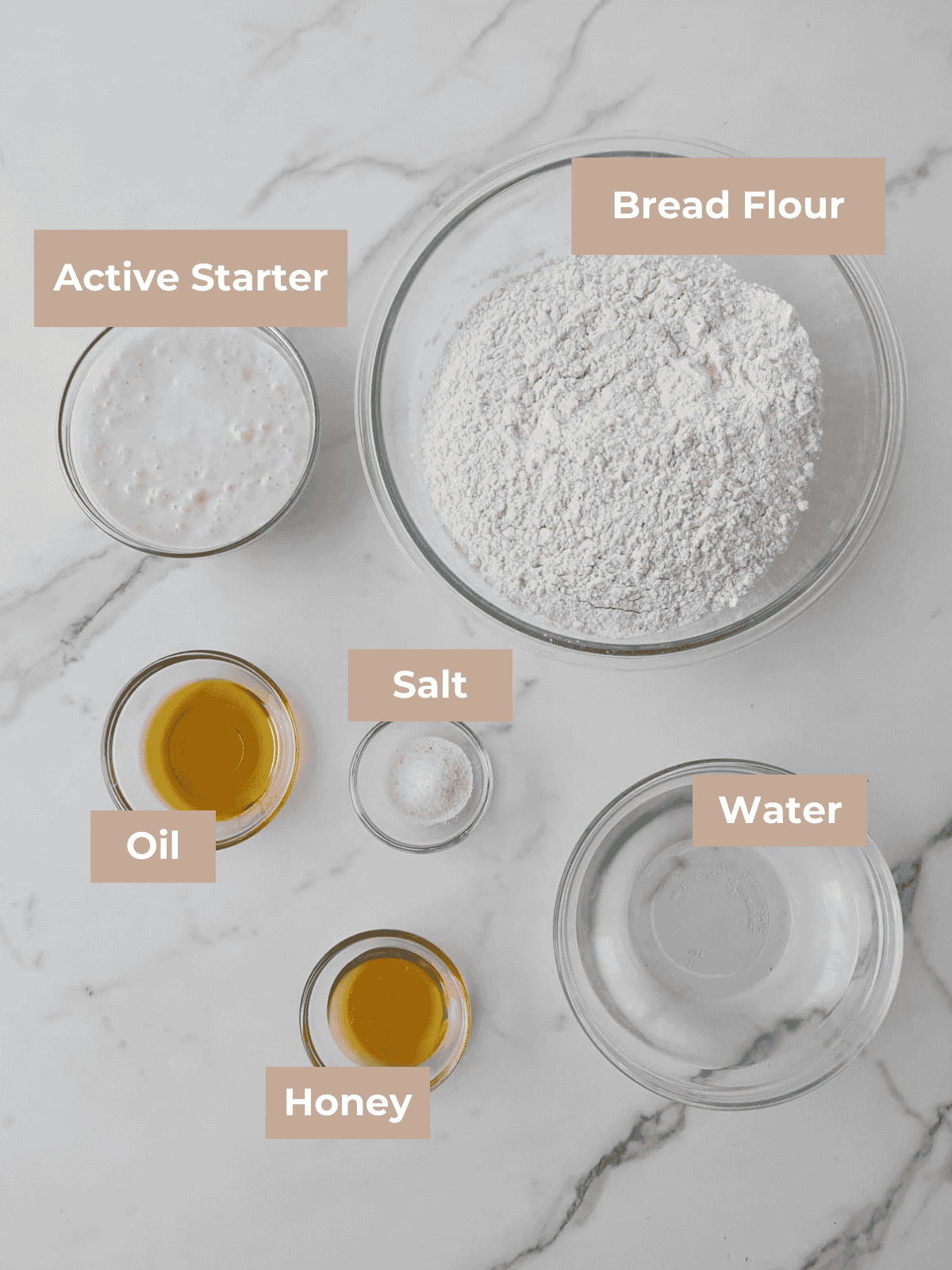
- Active Sourdough Starter – This is what is used to leaven the bread in place of yeast. You want to make sure to use the starter when it is doubled in size and bubbly. If you only have discard on hand you can use my sourdough discard french bread recipe instead.
- Honey– Just a little bit of sweetener balances the flavors so well. You can use honey or granulated sugar in this recipe; either one works well.
- Salt – Any type of salt works great such as sea salt or kosher salt.
- Oil – Any neutral-flavored oil will work, I prefer olive oil. You could also swap this for melted butter if needed.
- Bread flour– Bread flour has a higher protein content so it is able to absorb more water in a recipe. If you want to use all-purpose flour in this recipe I recommend reducing the amount of water in the recipe by 25 grams or adding a little extra flour if the dough is hard to work with.
Instructions to make Sourdough French Bread
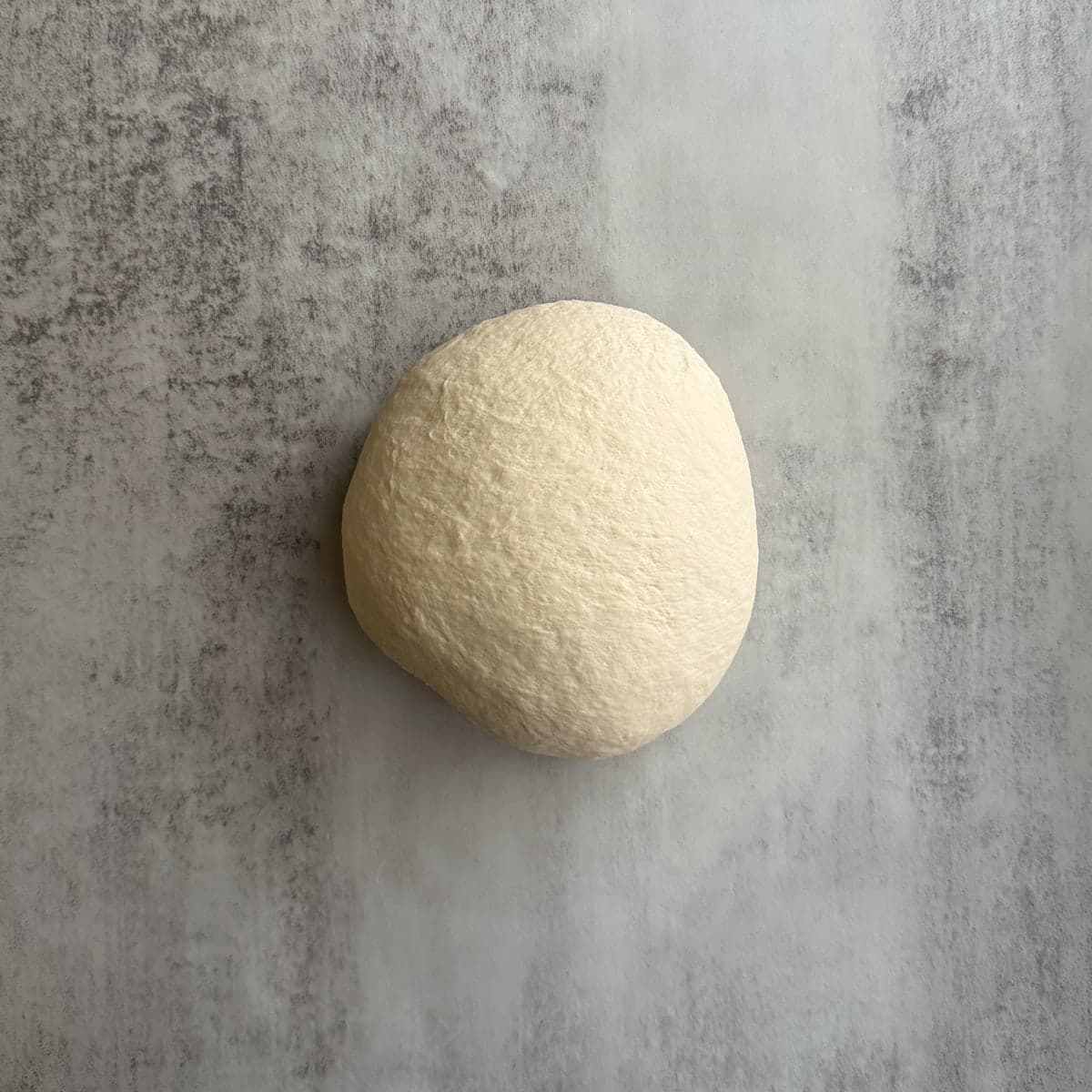
Step 1: Warm the water to 100℉. Add all the dough ingredients to a stand mixer with a dough hook or a large bowl. Knead the dough until soft and smooth for about 5-8 minutes.
If the dough is very sticky, add a little extra flour until the dough is tacky.
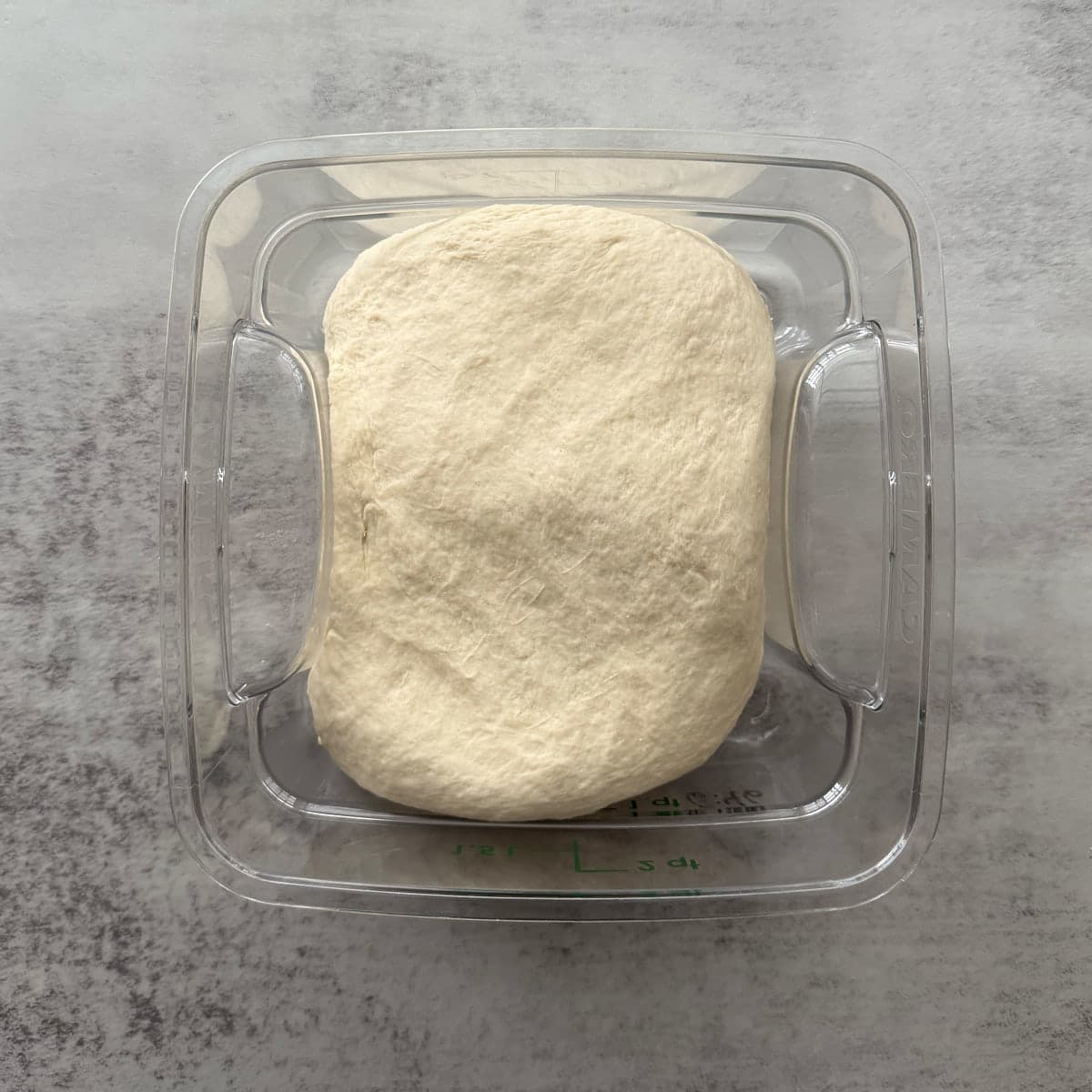
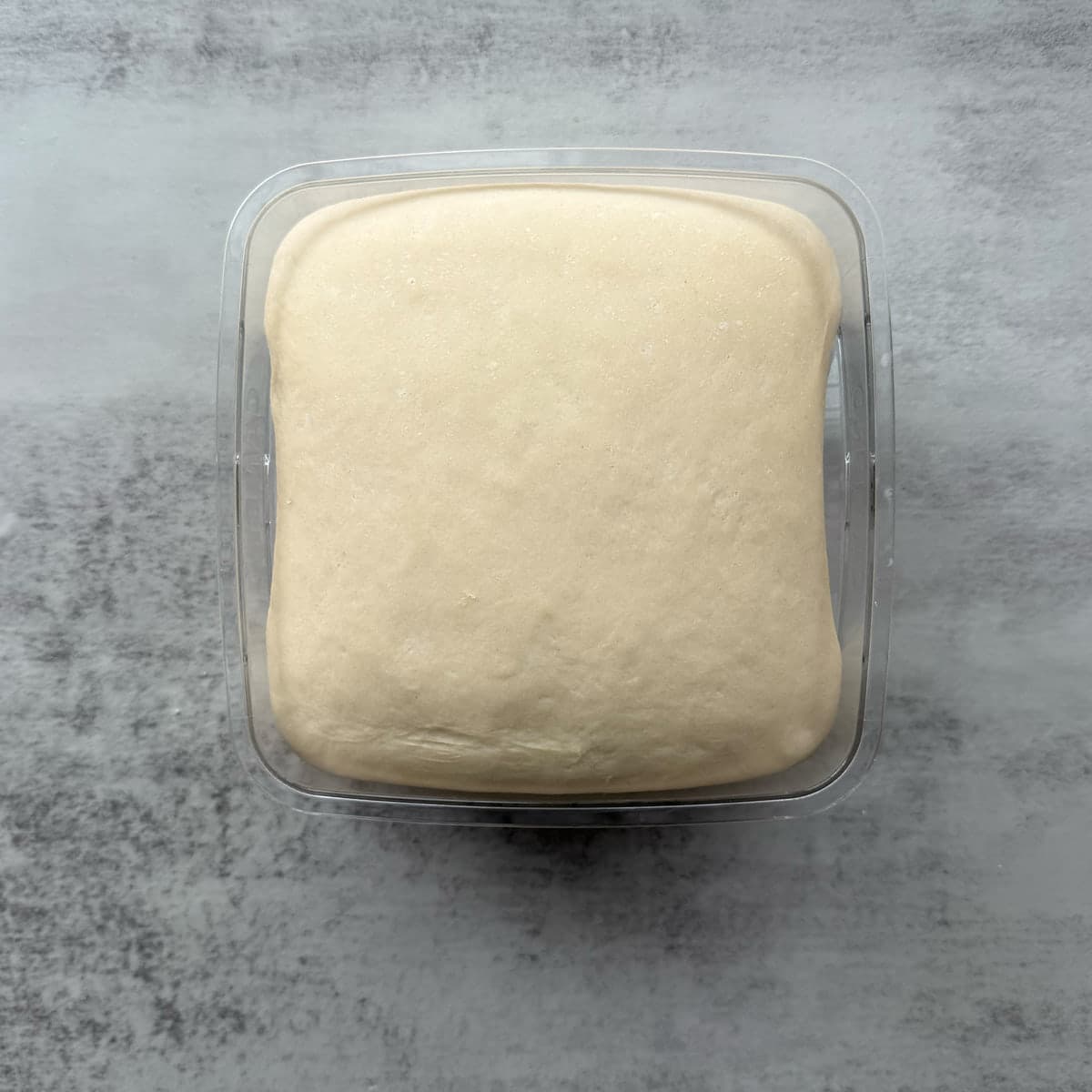
Step 2: Place the dough in a straight-edge container or medium-sized bowl. Place in a warm spot covered until doubled in size.
At 80°F, this will take about 3½ to 4 hours.
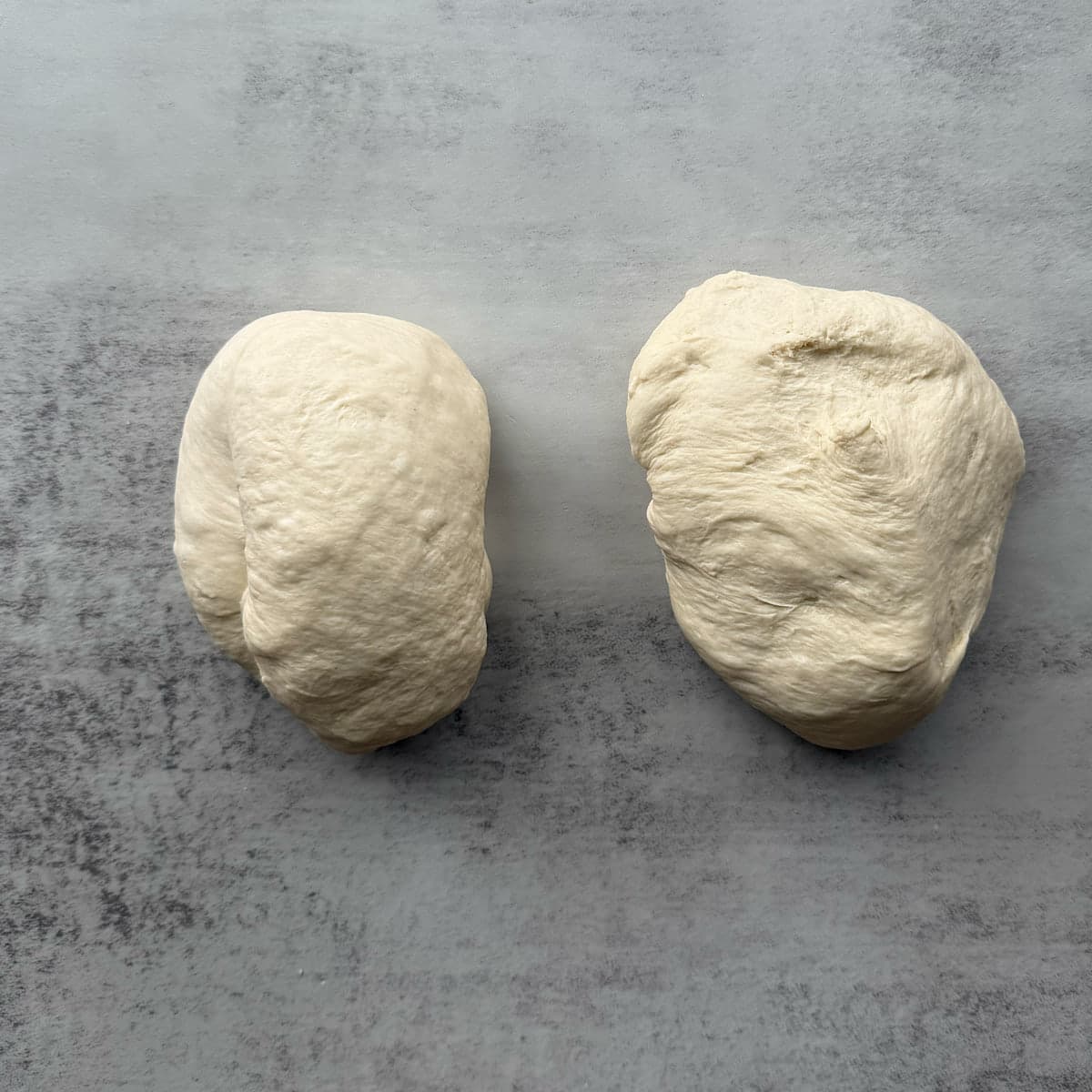
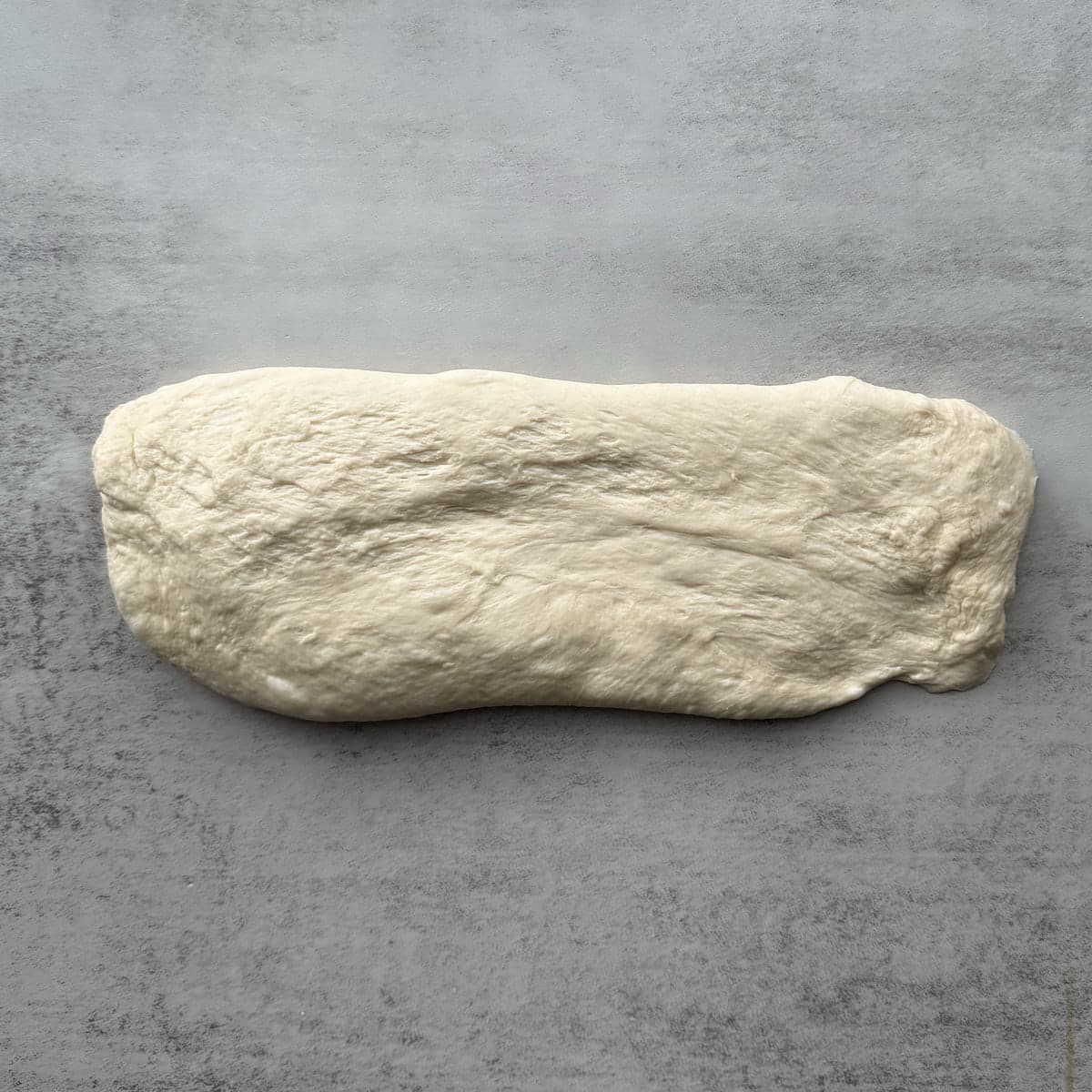
Step 5: Take one half of the dough and flatten into a 12″ rectangle.
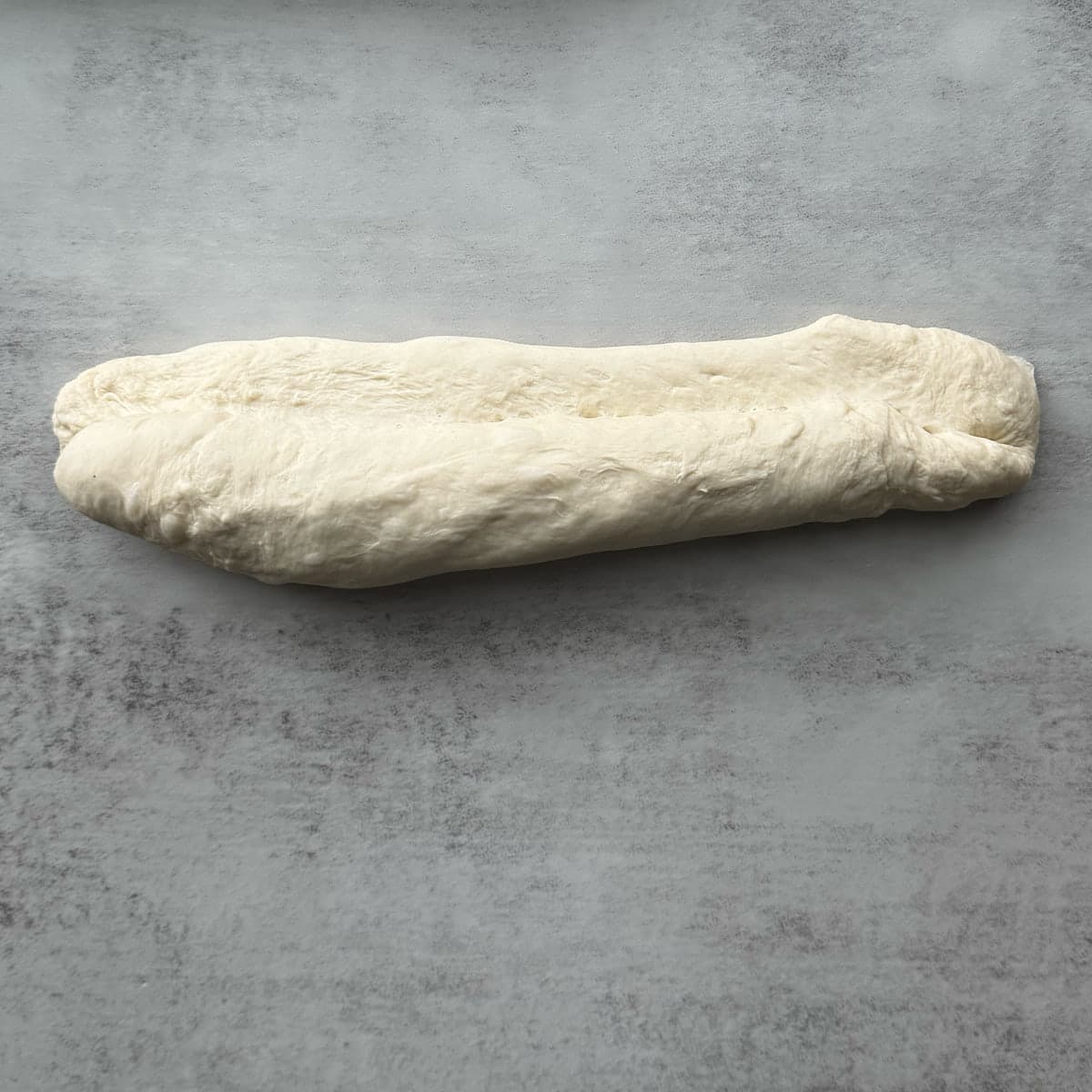
Step 6: Tightly roll it up from the long side to form a 12-inch log, smoothing the surface as you go. Repeat with the remaining dough.
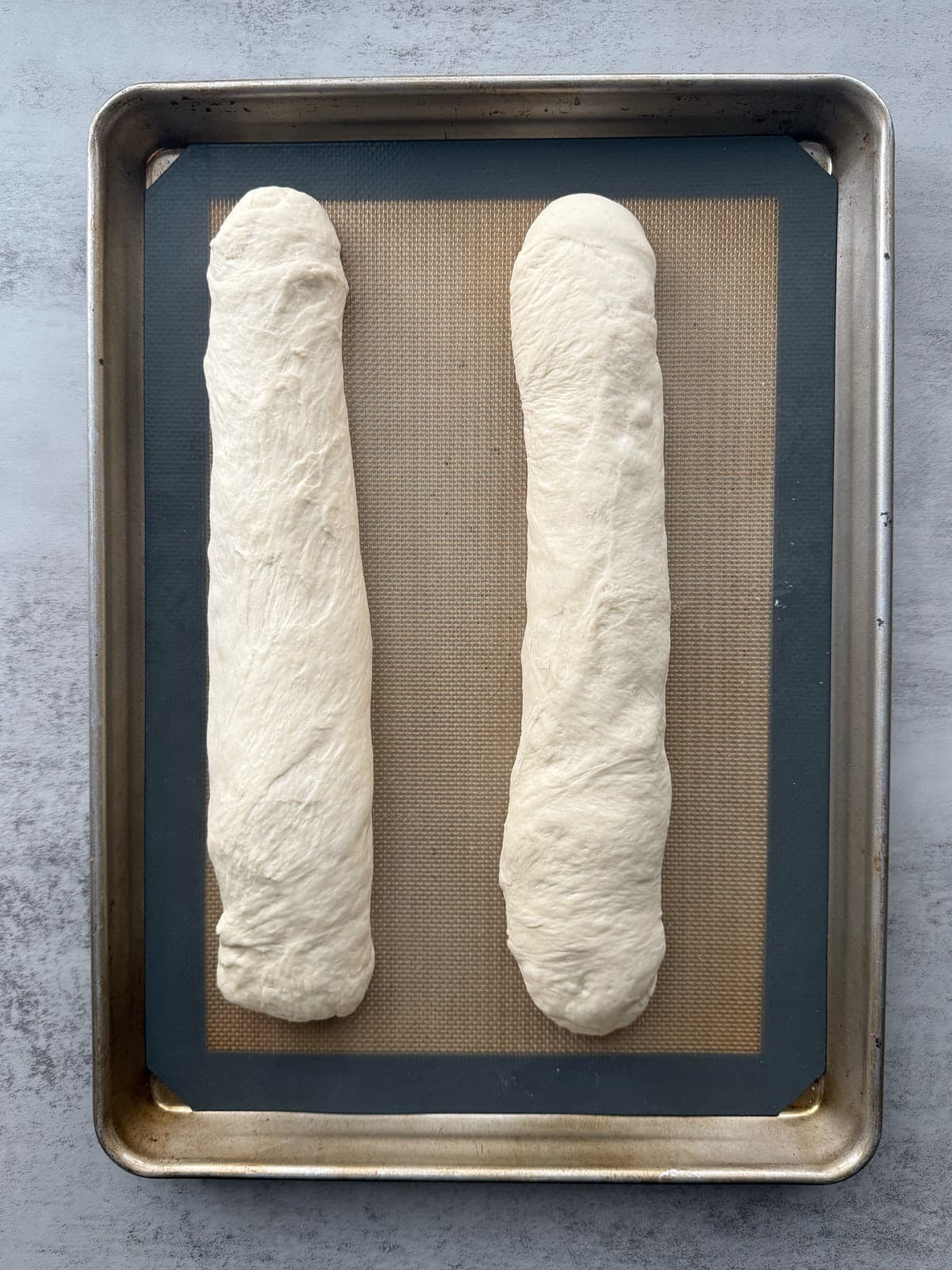
Step 7: Place both loaves on a lined baking sheet, seam side down. Cover with a lid or a damp tea towel.
Let the dough rise until puffy and visibly increased in size. At 80°F, this will take about 1½ hours.
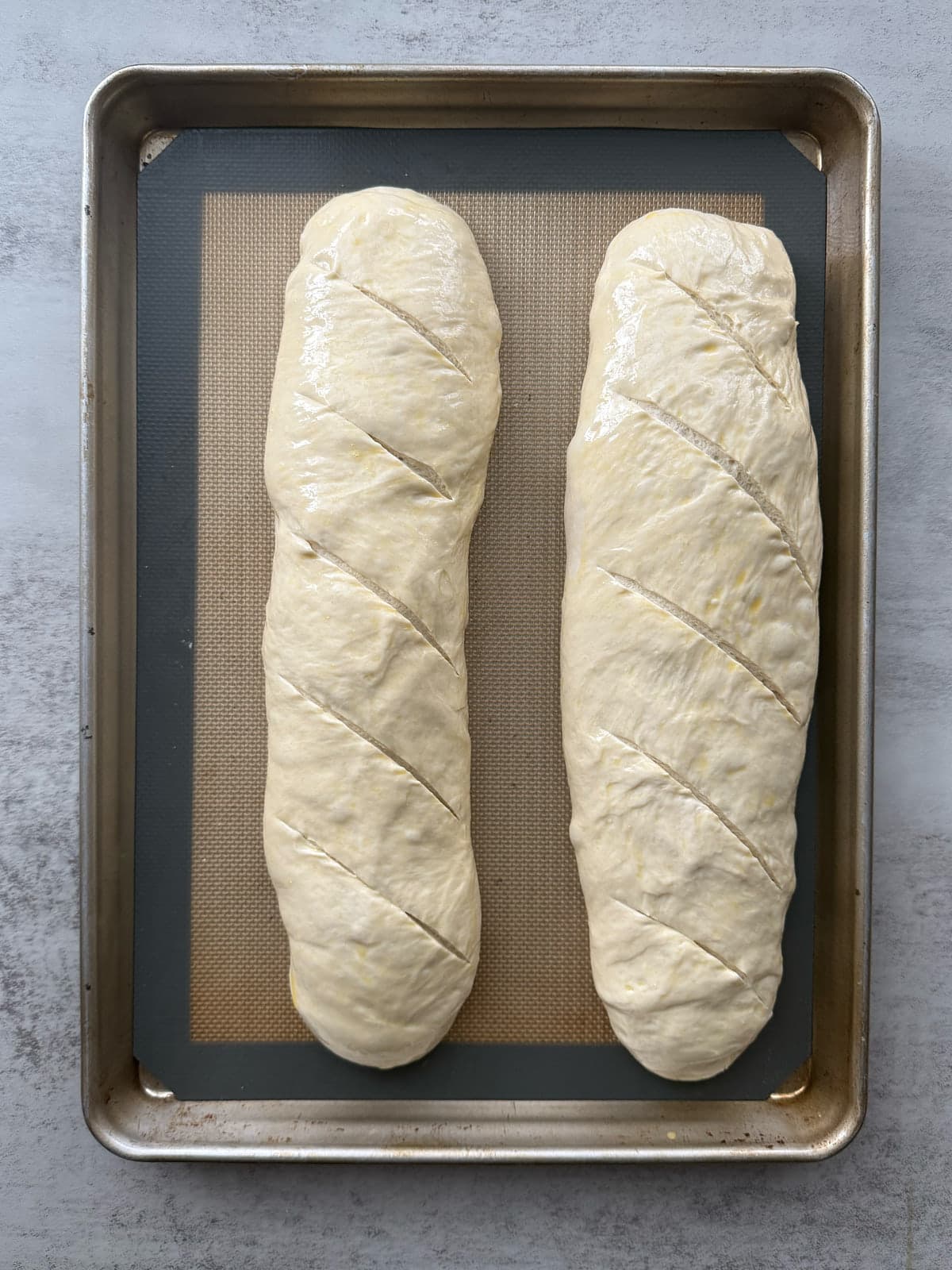
Step 8: When it is ready to bake, make an egg wash with an egg and a teaspoon of water and brush over the top. This is optional but will give the crust a shiny, golden brown color.
Take a bread lame or sharp knife and cut five diagonal slashes down the bread.
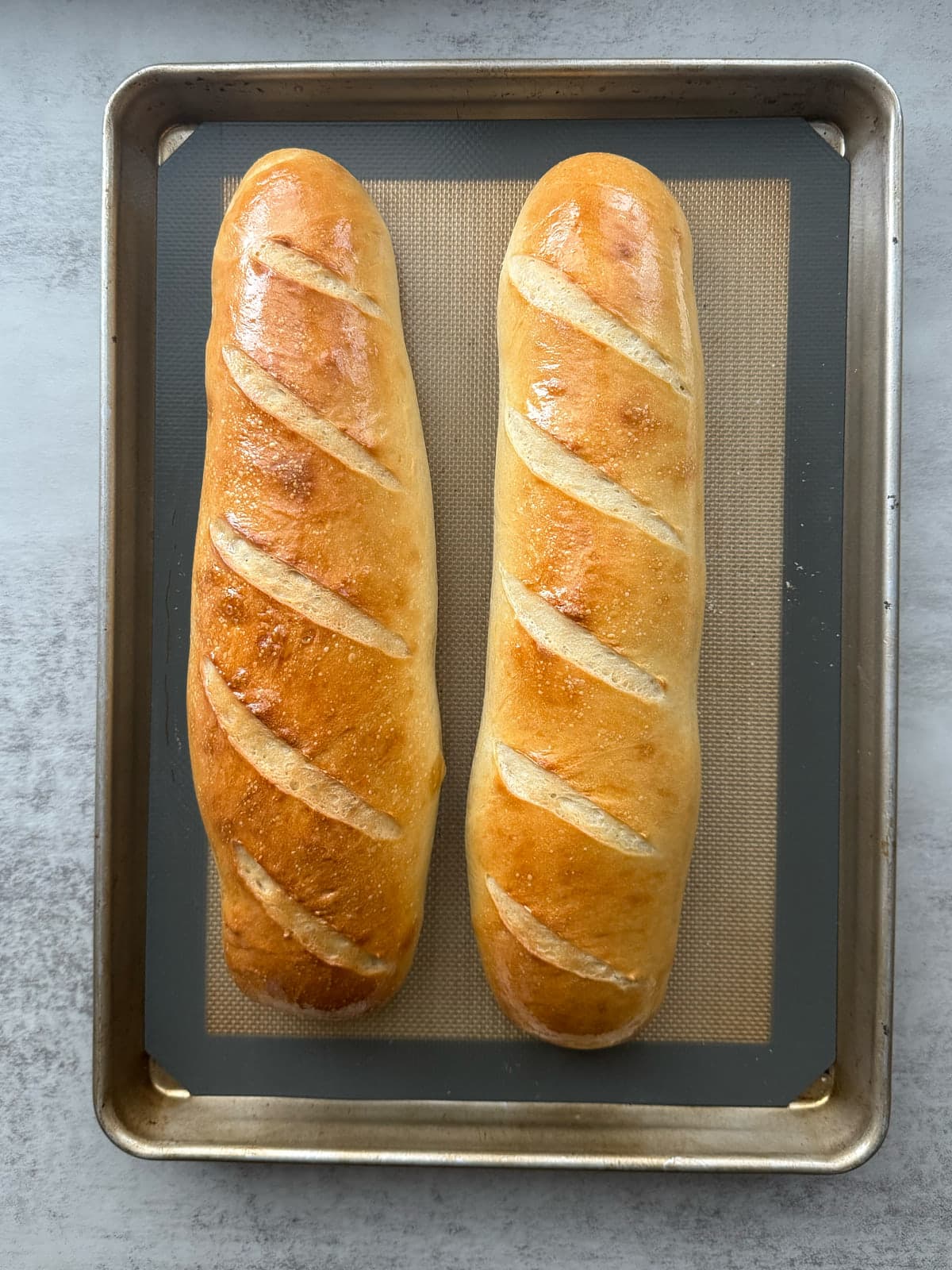
Step 9: Bake at 400°F for about 25 minutes, until the bread is lightly browned and the internal temperature reaches 200°F or higher. Let the loaves cool on a cooling rack.
Recipe Tips
- Watch the dough, not the clock– Do not shape the dough until it is doubled in size or it will be dense and heavy. If your dough is cooler or your starter is sluggish the timing can take longer.
- Keep the dough warm- The key to getting your dough to rise is a warm temperature. If you are having trouble getting your dough to rise or your house is on the cooler side, you can place the dough in the oven with the light on or use a warming mat (use coupon code country10) or proofing box to speed up the process.
- Use active, bubbly starter- Sourdough bread is only as good as the sourdough starter used so make sure your starter is at peak, meaning it’s doubled in size and bubbly, before using.
- Sticky dough tips- If your dough is very sticky when kneading you can add a little extra flour to the dough until it comes together. The dough should be tacky but not overly sticky.
Sample Baking Schedule
This schedule is based on a dough temperature of 80°F. If the dough is at a cooler temperature, expect longer rise times.
| Steps | Time |
| Feed starter a 1:5:5 ratio and leave at around 72°F. (25 g starter: 125 g flour: 125 g water) | Night before 10 pm |
| Knead dough First rise | Next morning 8 am |
| Shape Final Rise | 11:30 am |
| Bake | 1:00 pm |
If you want to bake the loaves closer to dinner time, place the covered loaves in the fridge after the final rise until ready to bake. Bake directly from the fridge.
Hungryroot
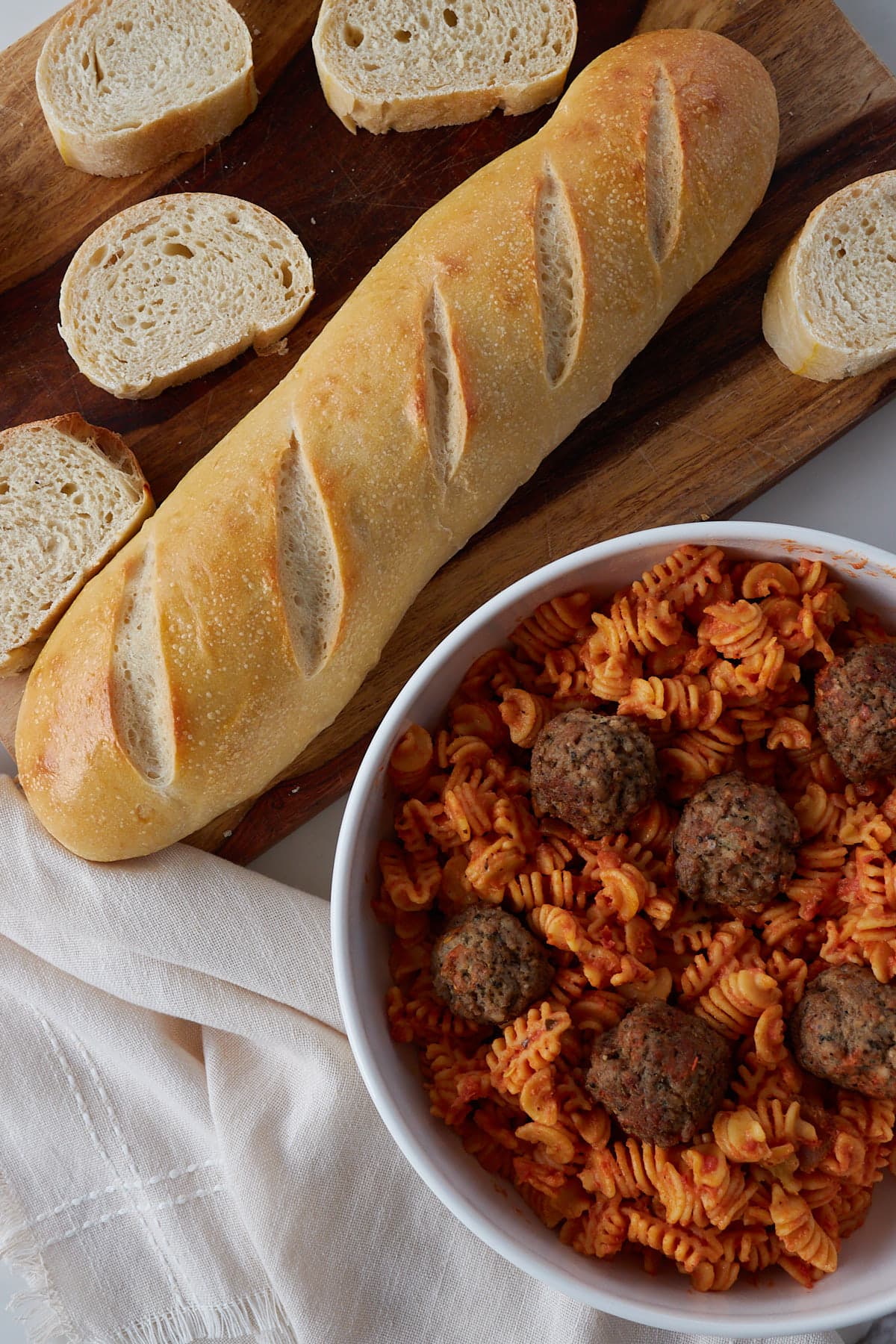
I paired the sourdough french bread with protein pasta and meatballs from Hungryroot, a grocery delivery service that simplifies meal planning. They let you choose nutritious meals based on your preferences and send the recipes and ingredients right to your door. Every meal we tried was quick (under 30 minutes), packed with veggies and fiber, and full of flavor. And don’t skip the almond chickpea cookie dough—it’s a must-try! For a limited time, use code COUNTRYROADS40 to get 40% off your first delivery plus a free gift.
Storage instructions for sourdough french bread
The best way to keep leftovers is to store it in a bread bag, airtight container or ziplock bag. It will keep on the counter for 3-5 days (depending on humidity). You can eat it at room temperature or add it to your toaster or oven at 350°F until warmed through.
This bread freezes beautifully! To freeze, wrap the loaf in heavy-duty foil or place it in a freezer safe ziploc or bread bag.
To thaw, you can set it in a warm place on the counter to defrost overnight, or you can grab individual slices and microwave or toast them to thaw. To reheat a full loaf, place it in the oven at 350°F for 5-10 minutes until warmed through.
Recipe FAQ
Yes! I have a Sourdough Discard French Bread recipe that I think you’ll love. The active yeast combined with the sourdough discard makes for a quicker rise time without losing the soft and fluffy quality.
Yes. You can freeze the french bread as a loaf or sliced. See storage instructions for my recommendations on freezing and thawing this bread.
Yes, if you want to use all-purpose flour in this recipe, I recommend reducing the amount of water in the recipe by 25 grams or adding a little extra flour if the dough is hard to work with.
More sourdough sides

Recipes with Sourdough Discard
Sourdough Discard French Bread

Soft Sourdough Bread Recipes
Sourdough Garlic Bread (Ready in 20 minutes!)
Same Day Sourdough Recipes
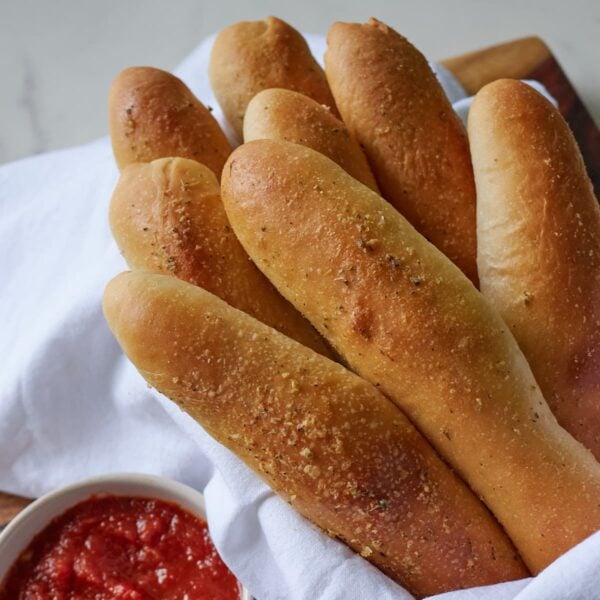
Same Day Sourdough Breadsticks

Christmas Sourdough Recipes
Cheesy Sourdough Star Bread
Tried this Softest Same-Day Sourdough French Bread or another recipe from the site? I’d love to hear about it! Drop a star rating and share your thoughts in the comments—can’t wait to see what you’re baking!
More Recipes You’ll Love from Country Roads Sourdough
Sourdough French Bread
Equipment
Ingredients
Levain (Active Sourdough Starter)
- 25 grams sourdough starter
- 125 grams all purpose or bread flour
- 125 grams water
Sourdough French Bread
- 330 grams water, warmed to 100℉, 1⅓ cup
- 30 grams honey or sugar, 2 Tablespoons
- 240 grams levain or active sourdough starter, 1 cup
- 30 grams olive oil , 2 Tablespoons
- 10 grams salt, 2 teaspoons
- 700 grams bread flour, 5 cups
Egg Wash (optional)
- 1 large egg
- 5 grams water , 1 teaspoon
Instructions
The night before (Skip this step if you are ready to make this recipe and have active, bubbly starter ready to go.)
- 10–12 hours before making the dough, make a levain or feed your sourdough starter and leave it covered at around 70–72℉ to double in size. 25 grams sourdough starter , 125 grams all purpose or bread flour, 125 grams water If you want to make the dough the same day, feed your starter at a 1:1:1 ratio (80 g starter, 80 g flour, 80 g water). Let rise at 77–80°F for 3–4 hours, until doubled and bubbly.
The next morning
- Once the starter is doubled in size and ready to use, warm the water to 100℉. Add all the dough ingredients to a stand mixer with a dough hook or large bowl. If the dough is very sticky, add a little extra flour until the dough is tacky. 330 grams water, 30 grams honey or sugar, 240 grams levain or active sourdough starter, 30 grams olive oil , 10 grams salt, 700 grams bread flour
- Once combined, knead the dough until soft and smooth for about 5-8 minutes by hand or in a stand mixer with the dough hook attachment.
- Place the dough in a straight-edge container or medium-sized bowl. Place in a warm spot covered until doubled in size. At a dough temperature of 80°F, this will take about 3½ to 4 hours.
- Punch down the dough and then dump it onto a lightly floured surface. Divide the dough into two equal parts.
- Flatten one half into a 12-inch rectangle, then tightly roll it up from the long side to form a 12-inch log, smoothing the surface as you go. Repeat with the remaining dough.
- Place both loaves on a lined baking sheet, seam side down. Cover with a lid or damp kitchen towel. Let the dough rise until puffy and visibly increased in size. At 80°F, this will take about 1½ hours.
- Make an egg wash by mixing an egg with a teaspoon of water. Brush the egg wash on the loaves. The egg wash is optional but will give the loaf a golden brown, shiny crust. Then take a bread lame or sharp knife and create diagonal slashes down the bread, about 5 cuts. 1 large egg, 5 grams water
- Bake at 400°F for about 25 minutes, until the bread is lightly browned and the internal temperature reaches 200°F or higher.
- Let the loaves cool on a cooling rack.
Notes
- Bake Later– If you want to prep the loaves and bake them right before dinner, finish the second rise and then place the covered loaves in the fridge for a few hours before baking directly from the fridge. If you want a longer second rise, place the loaves in the fridge immediately after shaping, before the second rise, for up to 12 hours. If the loaves have not puffed up, let them sit out to finish rising before baking. If they are puffy and doubled in size, bake directly from the fridge.
- Watch the dough, not the clock– Do not shape the dough until it is doubled in size or it will be dense and heavy. If your dough is cooler or your starter is sluggish the timing can take longer.
- Keep the dough warm- The key to getting your dough to rise is a warm temperature. If you are having trouble getting your dough to rise or your house is on the cooler side, you can place the dough in the oven with the light on or use a warming mat (use coupon code country10) or proofing box to speed up the process.
- Use active, bubbly starter- Sourdough bread is only as good as the sourdough starter used so make sure your starter is at peak, meaning it’s doubled in size and bubbly, before using.
- Sticky dough tips- If your dough is very sticky when kneading you can add a little extra flour to the dough until it comes together. The dough should be tacky but not overly sticky.
- Make Garlic Bread- This loaf makes the best garlic bread!
Nutrition
Nutrition information is automatically calculated, so should only be used as an approximation.




This is by FAR my favorite sourdough bread recipe ever!!! I rarely write reviews on recipes but had to on this one because (chef kiss!) it’s amazing!!! I’ve already done it twice and loaves were gone immediately. I’m now going to tweak it to use it as my hamburger buns, hot dog buns, small hoagies, etc. I truly never want to make any other sourdough then this now. So soft. So yummy. Make this now. 🙂
Thank you so much! I’m so glad you like it.
Such an easy dough to work with and the loaves came out beautifully! A real pleasure to bake this one!! I am loving SO MANY of your recipes so I recently bought your book. Going to work my way through it. You make it very easy for a home baker to knock out great recipes with no stress! Thank you!!
Thanks so much Mary!
Turned out great! The steps were easy to follow and the bread rose and baked beautifully:)
Thanks so much Renata!
Delicious.
Thanks!!
When baking , is the bread covered or uncovered??
Can you make baguettes with this recipe instead of French bread?
I’ve been wanting to create a baguette recipe! This recipe won’t give you the crunch you usually want with a baguette because of the added fats.
This sourdough french bread is so soft and delicious. My kids love the soft crust and have been eating it as toast for days.