
This post may contain affiliate links . Read my full Disclosure Policy.



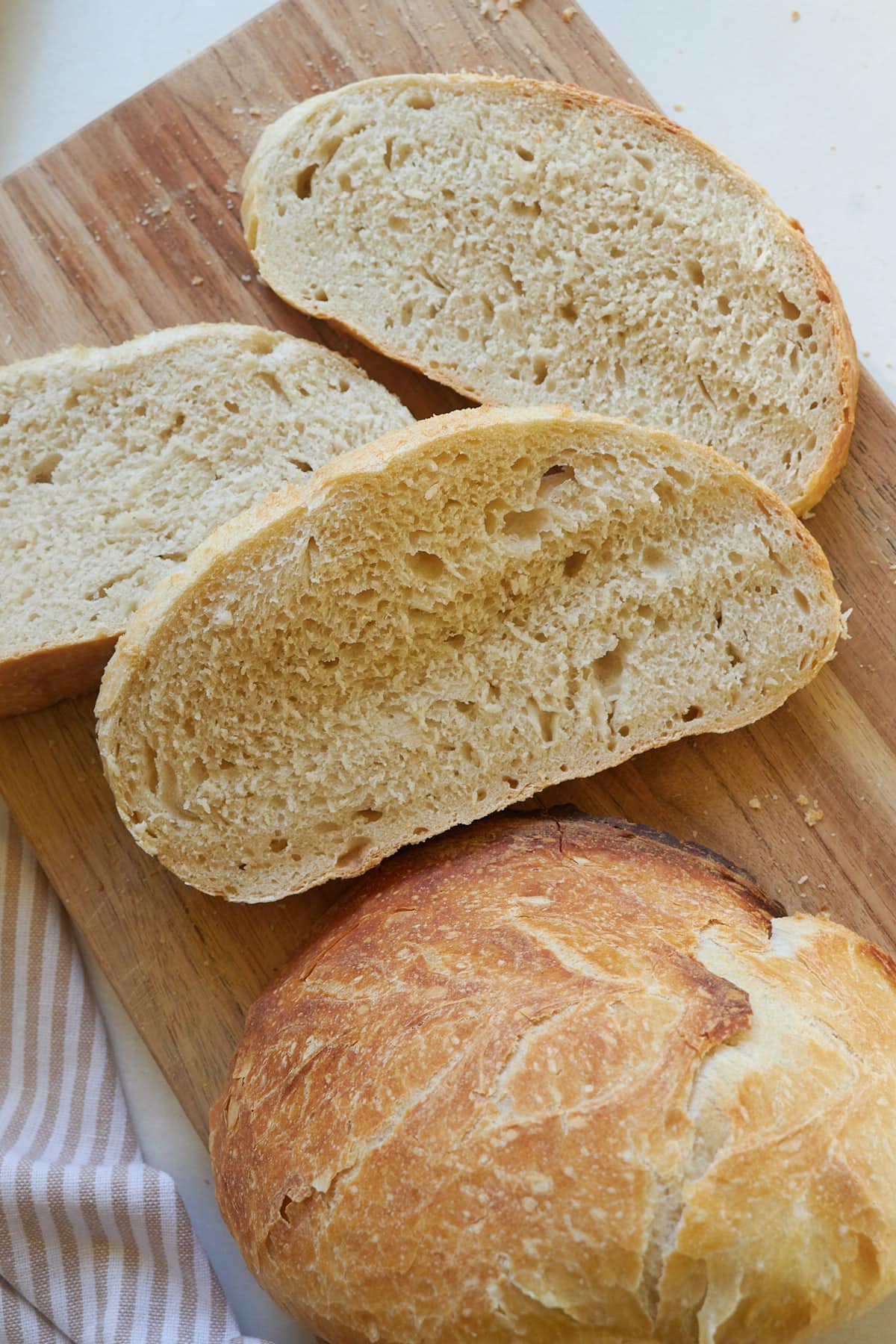
This Sourdough Discard Bread is a crusty artisan-style loaf ready in under 3 hours. Based on my Same Day Sourdough Bread recipe, it uses a small amount of added yeast for a quicker rise while skipping the stretch-and-folds and second rise. The result is an easy, beginner-friendly loaf that’s perfect when you want homemade sourdough bread without the long wait.
Save & Summarize
One day I needed a loaf of artisan sourdough bread, but I didn’t have time to wait for my sourdough starter to rise. I’ve had so much success making sourdough discard bread recipes like my sourdough discard sandwich bread and sourdough discard rolls that I decided to give my artisan bread a try. I was so happy with the end results and even happier with how insanely easy it was!
Why you will love this recipe
- Ready to bake in just 2 hours – Mix the dough and let it rise for 1 ½ to 2 hours, and then it’s ready to bake!
- No second rise is needed – Once the dough has doubled, shape and score the loaf, then bake. It’s that easy!
- No stretch and folds – You will mix the dough by hand or in a stand mixer on low for about 3-5 minutes at the beginning, and then you simply let it rise. No stretch and folds needed.
- Super easy – This is the perfect recipe to make if you want homemade bread quickly without even pulling out the stand mixer.
Why add yeast to this recipe?
Adding instant yeast gives this bread a predictable, fast rise while the discard adds sourdough flavor. That’s what allows this loaf to be ready to bake in about 2 hours instead of requiring an all-day fermentation. If you prefer not to add yeast, check out my Same Day Sourdough Bread.
Important Ingredients and Substitutions
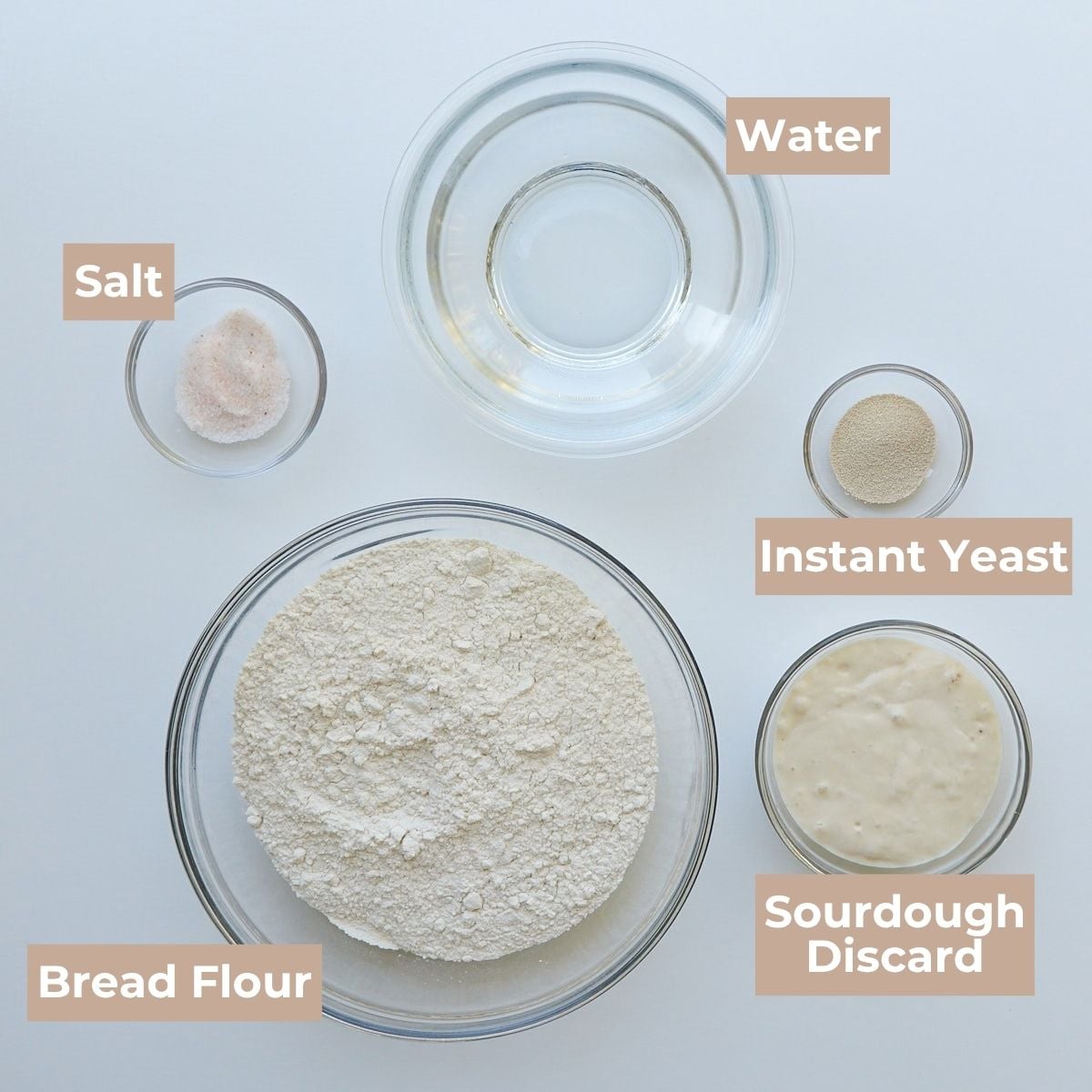
- Sourdough discard – I recommend using discard from a 100% hydration starter, meaning it is fed equal weights of flour and water. There’s no need to feed the discard before using it in this recipe. You can use it straight from the refrigerator, although bringing it to room temperature first can help the dough rise a little faster.
- Instant yeast – I like instant yeast because you can add it in with the rest of the ingredients. If you would like to use active dry yeast, you can, but be sure to read the instructions on how to bloom the yeast before adding it, and keep in mind the rise times could take a little longer.
- Bread flour – Bread flour is ideal for sourdough bread because its higher protein content helps build stronger gluten, and it’s able to handle higher-hydration doughs. You can substitute all-purpose flour, but I recommend reducing the water by about 25 grams.
- Water – I recommend using warm water from the tap. If you are using cold discard, you can warm the water up to 85°F (29°C).
See all the ingredients and amounts in the recipe card below.
How to make Sourdough Discard Bread
Step 1: Mix dough
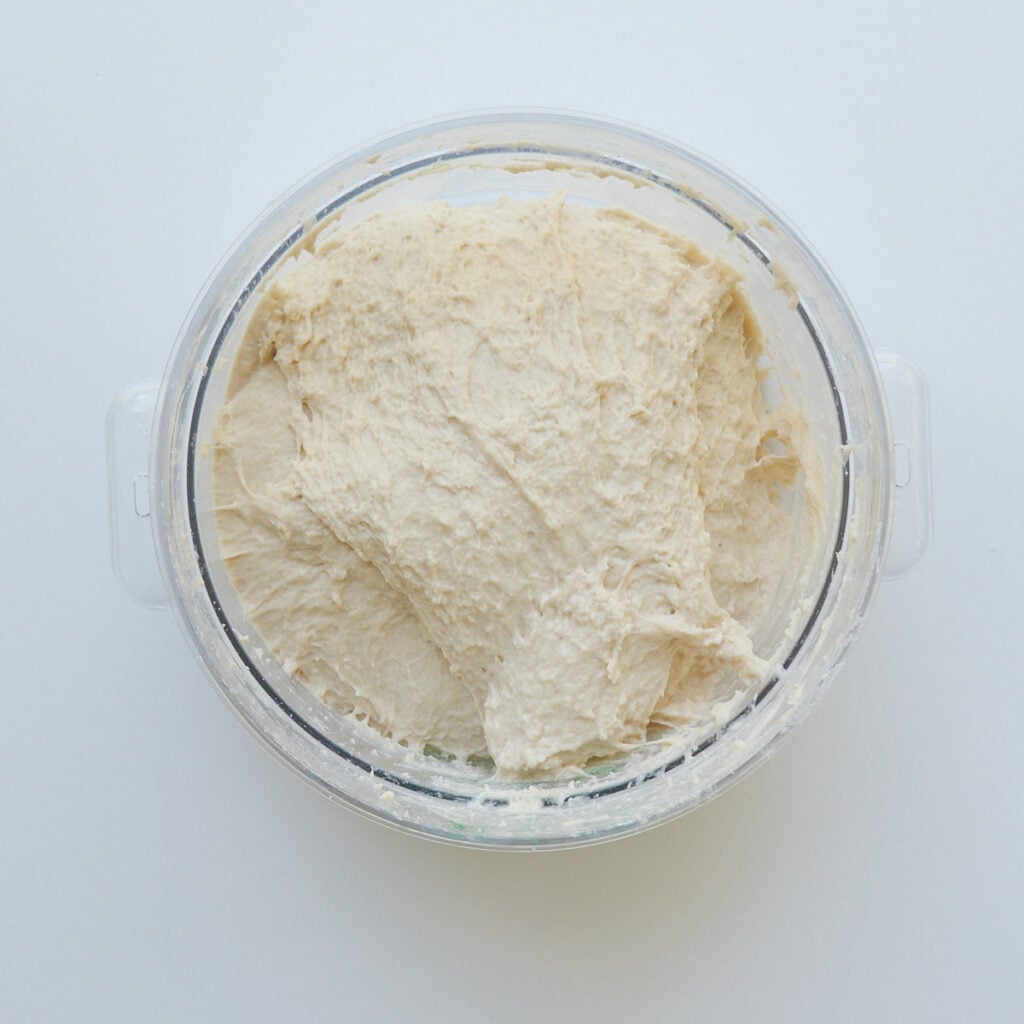
With a Danish dough whisk, hands, or large spoon, mix the sourdough discard, water, flour, yeast, and salt in a straight-sided container or medium clear bowl until no dry flour remains.
Once combined, use damp hands to squeeze, fold, and twist the dough in the bowl for about 3-5 minutes. The dough will be sticky and won’t form a smooth ball; this is normal. There’s no need to add extra flour.
Alternatively, you can mix all the ingredients in a stand mixer with a dough hook attachment on low for 3-5 minutes. Use a bowl scraper to help transfer the dough to a straight-edged container or medium sized bowl.
Step 2: Rise
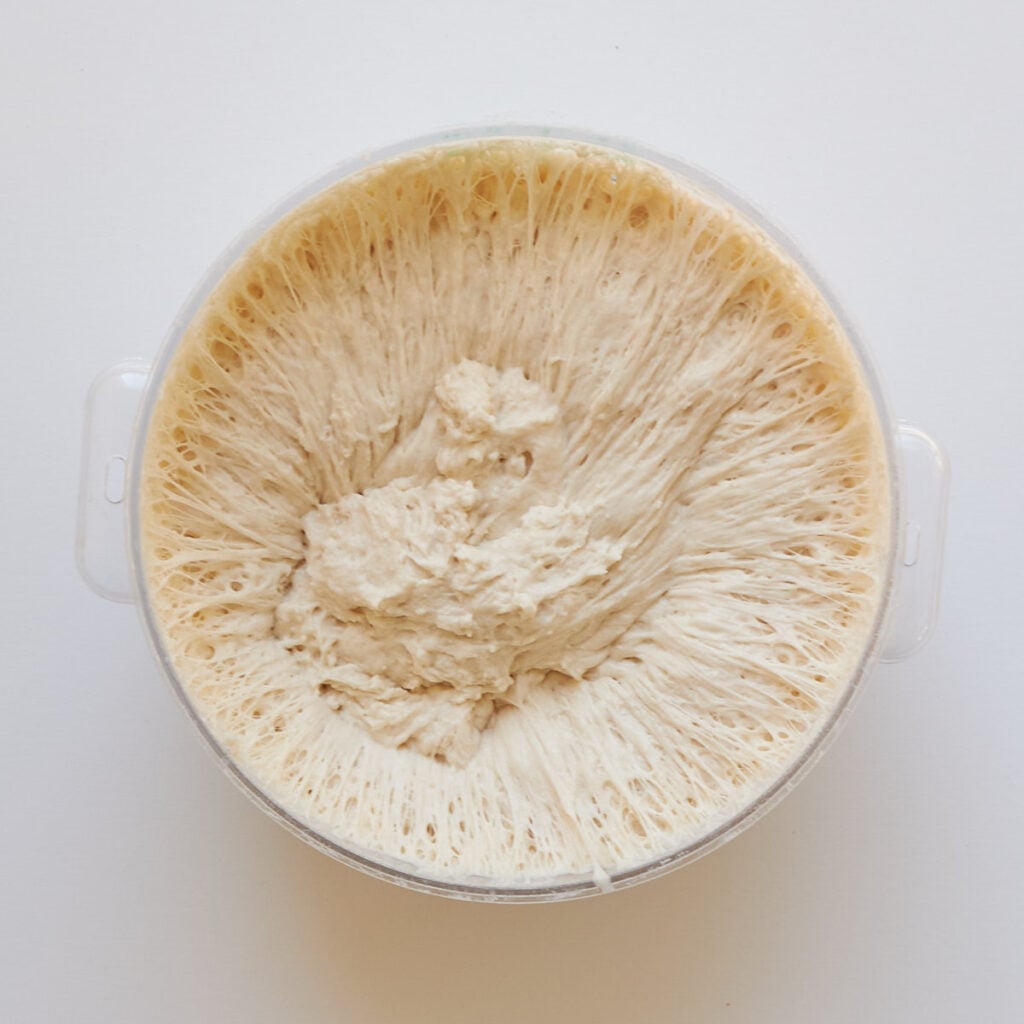
Cover with a lid or dinner plate so the dough doesn’t dry out, and let it sit for about 1 ½ to 2 hours at 75°F (24°C) or until doubled in size.
Near the end of the time, preheat the oven along with your Dutch oven or bread oven (5-7 qt) to 450°F (232°C).
Step 3: Shape
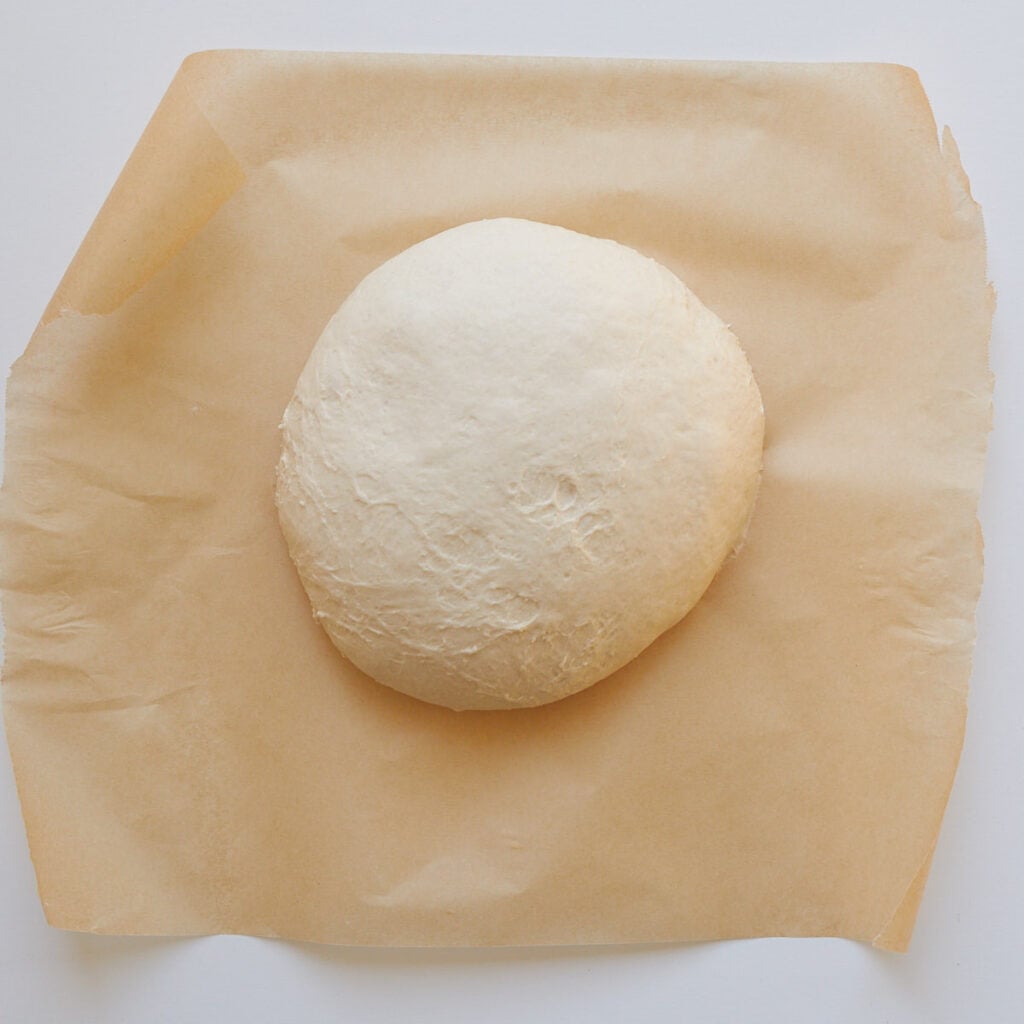
Turn the dough out onto an unfloured surface. Lightly dampen your hands with water. With your hands in a cupping shape, gently rotate the dough counter-clockwise while pulling it toward you to create tension on the surface. Repeat this motion a few times until the dough forms a smooth, round ball.
Tip: If the dough sticks to the counter while shaping, use a bench scraper to gently lift and release it from the surface. If the dough is especially sticky and difficult to work with, lightly flour the counter to make shaping easier.
Step 4: Score
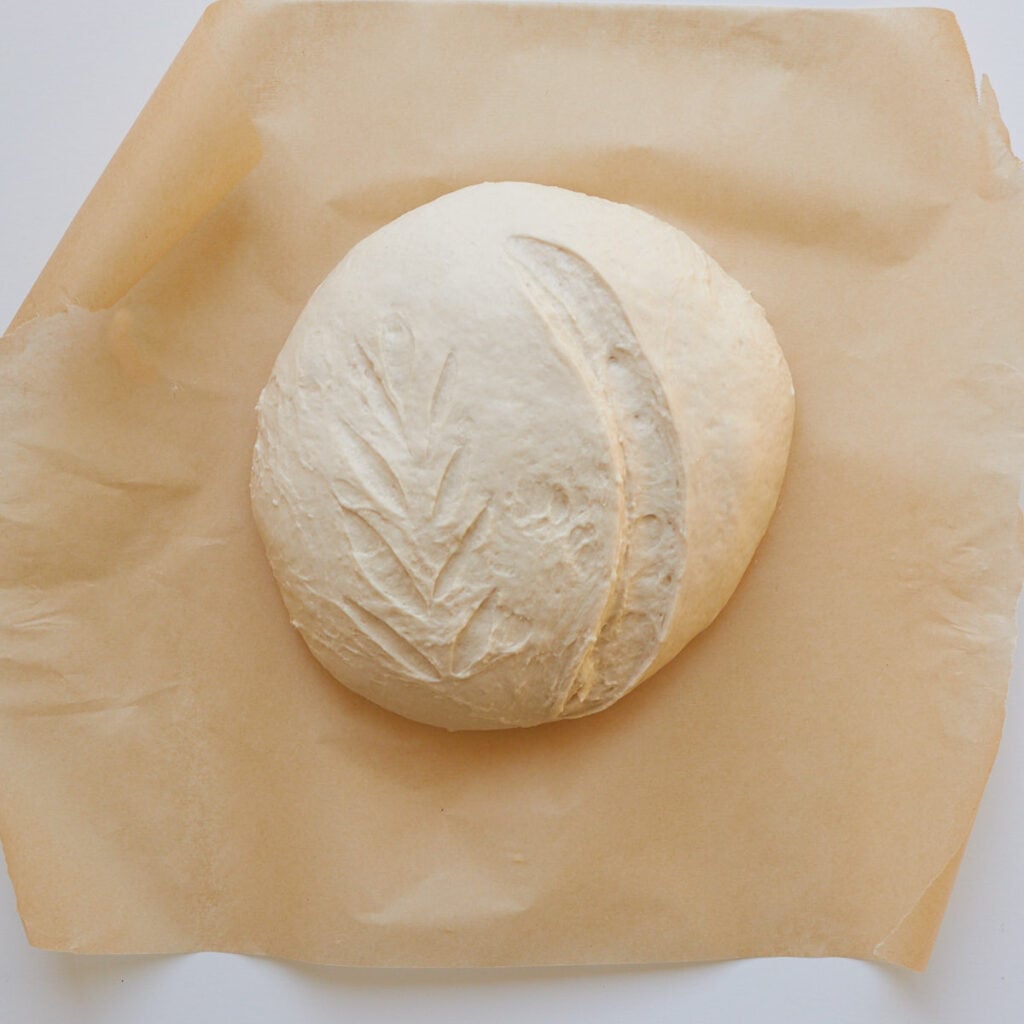
Transfer the dough to a piece of parchment paper or a bread sling.
Score the bread with a bread lame or sharp knife. Hold the blade at a 40-degree angle and, following the curve of the dough, make one smooth, confident cut about ¼ inch deep.
Step 5: Bake
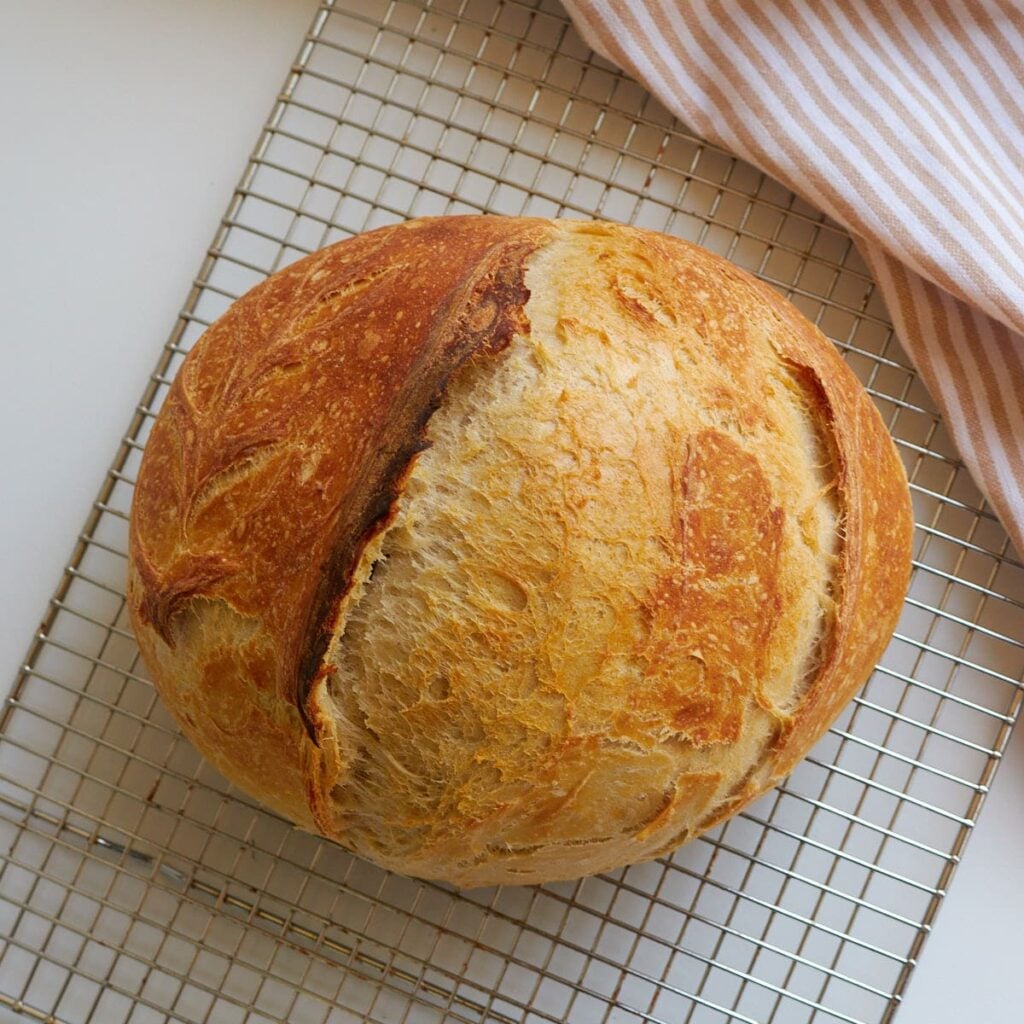
Bake the bread in the Dutch oven for 20 minutes with the lid on. Then, take the lid off and bake for another 15 minutes or until the internal temperature reaches 200°F (93°C).
Remove the bread from the Dutch oven and allow it to cool on a cooling rack.
Recipe Tips
- Use a kitchen scale to measure the ingredients rather than measuring with cups and spoons. This will yield more accurate results. Plus, as a bonus, you will have fewer dishes to clean afterward!
- I recommend using a straight-edge container so you can visually see how much the dough has risen. A 2-quart container is big enough for 1 loaf. If you are doubling the recipe, use a 4-quart container.
- Keep your dough at a temperature around 75°F (24°C) to match the timeline listed. Use a bread mat (use code country10 for 10%) or proofing box to keep the dough warm, or see more tips on how to keep your dough warm.
- A good bread knife makes all the difference when slicing. This is my favorite bread knife that I have used for years!
- For a faster rise, keep the dough in a warmer spot, but avoid temperatures above about 85°F (29°C). Dough that becomes too warm can turn too sticky and difficult to shape.
How to store Sourdough Discard Bread
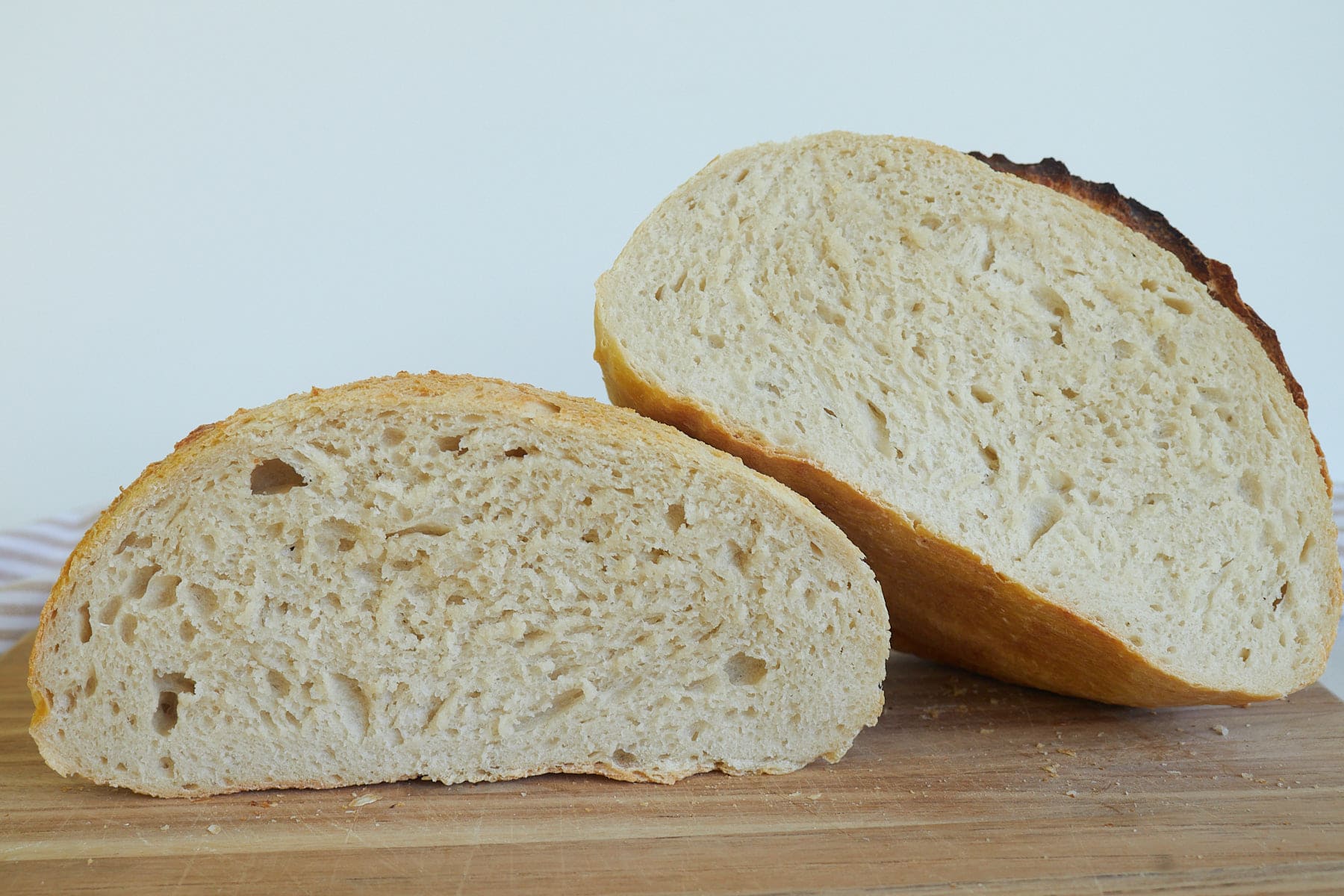
Store a whole loaf, or a partial loaf placed cut-side down, on the counter for up to 2 days covered with a tea towel. If the cut side is exposed, store it in a bread box, bread bag or brown paper bag. To refresh the crust, preheat the oven to 450°F, quickly run the loaf under water, and bake for 10–15 minutes until crisp.
Sourdough also freezes well. Freeze a whole or half loaf in a freezer-safe bag, or pre-slice it and separate the slices with parchment paper. Thaw loaves on the counter in the bag, then refresh in the oven. Individual frozen slices can go straight into the toaster.
Recipe FAQ
Yes, you can use cold sourdough discard from the fridge; just keep in mind it could slow down the rise time. If you are using cold discard, I recommend using slightly warmer water (not hot).
You can easily add mix-ins to this sourdough discard bread if you would like. You can either add them while you are mixing the dough or during shaping. I love jalapeño cheddar sourdough bread or lemon blueberry sourdough bread. For a full list of ideas, check out 21 unique sourdough add-ins you have to try.
Yes if you do not have a Dutch oven you can bake the bread in a 9×5 loaf pan using an open bake method. To do so, follow the baking instructions in this sourdough in a loaf pan recipe. Or if you want to bake bread without a Dutch oven or open baking try this Sourdough Discard Sandwich Bread and Sourdough Discard French Bread.
This is a high-hydration dough, so it will be sticky; this is normal. Resist the urge to add extra flour. If the dough sticks to your hands while shaping, lightly dampen your hands to help.
If your dough has not doubled in 2 hours, check your dough temperature. At approximately 75°F, the rise should take around 2 hours, but a cooler kitchen will take longer. If your dough is warm and still shows little to no rise after 2 hours, check that your yeast is fresh and active.
Bread flour will yield the best results, but in a pinch, you can use all-purpose flour. I recommend reducing the water by 25 grams.
More sourdough Discard Bread Recipes

Recipes with Sourdough Discard
Sourdough Discard Cinnamon Rolls (One Hour Rise)
Recipes with Sourdough Discard
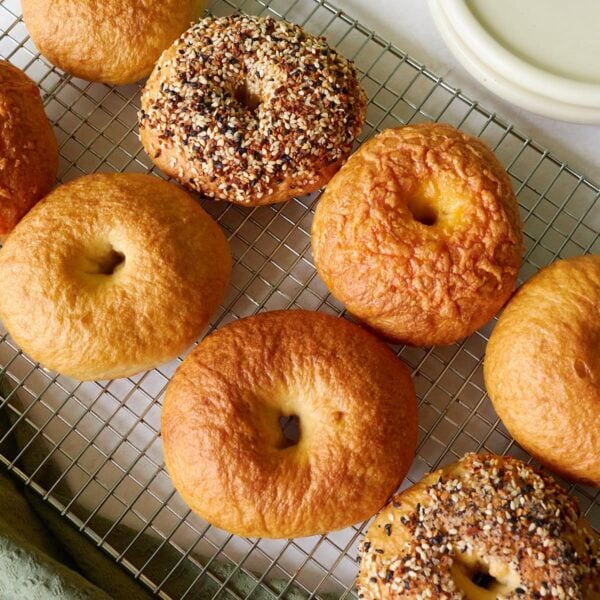
Sourdough Discard Bagels (ready in under 2 hours)
Soft Sourdough Bread Recipes
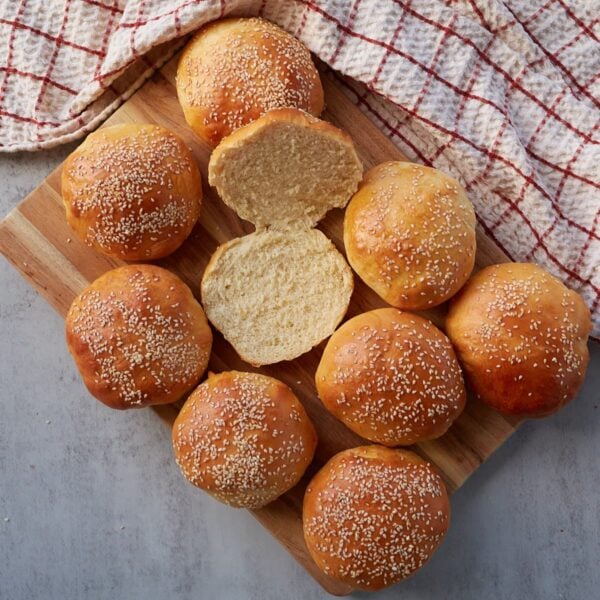
Sourdough Discard Hamburger Buns

Recipes with Sourdough Discard
Sourdough Discard Pizza Dough Recipe (45 minute rise)
Tried this Sourdough Discard Bread or another recipe from the site? I’d love to hear about it! Drop a star rating and share your thoughts in the comments—can’t wait to see what you’re baking!
Quick Sourdough Discard Bread
Ingredients
- 150 grams sourdough discard, ⅔ cup
- 350 grams water, 1 ½ cups
- 10 grams salt, ½ Tablespoon
- 6 grams instant yeast, 2 teaspoons
- 500 grams bread flour, 3 ½ cups
Instructions
- Mix dough: With a danish dough whisk, hands, or a large spoon, mix the sourdough discard, water, salt, yeast, and flour in a container with straight sides or a medium clear bowl until no dry flour remains. 150 grams sourdough discard, 350 grams water, 10 grams salt, 6 grams instant yeast, 500 grams bread flourOnce combined, use damp hands to squeeze, fold, and twist the dough in the bowl for about 3-5 minutes. The dough will be sticky and won’t form a smooth ball; this is normal. No need to add extra flour.Alternatively, you can mix all the ingredients in a stand mixer with a dough hook attachment on low for 3-5 minutes. Use a bowl scraper to help transfer the dough to a clean bowl to rise.
- Rise: Cover with a lid or dinner plate so the dough doesn’t dry out, and let it sit for about 1 ½ to 2 hours at 75°F (24°C) or until doubled in size.
- Preheat: Near the end of the rise, preheat the oven along with your Dutch oven or bread oven (5-7 qt) to 450°F (232°C).
- Shape: Turn the dough out onto an unfloured surface. Lightly dampen your hands. With your hands in a cupping shape, gently rotate the dough counterclockwise while pulling it towards you to create tension on the surface. Repeat this motion a few times until the dough forms a smooth, round ball.
- Transfer: Transfer the dough to a piece of parchment paper or a bread sling.
- Score: Score the bread with a bread lame or sharp knife. Hold the blade at a 40-degree angle and, following the curve of the dough, make one smooth, confident cut about ¼ inch deep.
- Bake: Bake the bread in the Dutch oven for 20 minutes with the lid on. Then, take the lid off and bake for another 15 minutes or until the internal temperature reaches 200°F (93°C).
- Cool: Remove the bread from the Dutch oven and allow it to cool on a cooling rack.
Notes
- Use a kitchen scale to measure the ingredients rather than measuring with cups and spoons. This will yield more accurate results. Plus, as a bonus, you will have fewer dishes to clean afterward!
- I recommend using a straight-edge container so you can visually see how much the dough has risen. A 2-quart container is big enough for 1 loaf. If you are doubling the recipe, use a 4-quart container.
- Keep your dough at a temperature around 75°F (24°C) to match the timeline listed. Use a bread mat (use code country10 for 10%) or proofing box to keep the dough warm, or see more tips on how to keep your dough warm. At cooler temperatures the dough may take a little longer to rise.
- For a faster rise, keep the dough in a warmer spot, but avoid temperatures above about 85°F (29°C). Dough that becomes too warm can turn too sticky and difficult to shape.
Nutrition
Nutrition information is automatically calculated, so should only be used as an approximation.



Can I use active yeast? (what i have), how would i do that
Yes you can, you just want to bloom the yeast per the instructions on the packet before adding to the remaining mixture.
This recipe is awesome!! I’m newer to the sourdough journey and have been intimidated to do the whole process of making bread with stretch and folds, so I was so excited to find this recipe! Is there a way I can long ferment the dough maybe overnight to get more of the sour taste before baking? I’m not sure if that would work in this recipe or not
Hi Kaleigh! Yeah, I would cut the rise a little short to where it’s not fully doubled yet and then stick it in the fridge since it will continue to rise there. Then the next day shape and bake.
Tastes amazing, easy to make
Thanks so much Ana!
I’ve never been much of a planner so when I want a crispy, artisan loaf but don’t have much time, this loaf comes in handy! It’s so quick and easy and takes almost no hands-on time. This is quickly becoming a new favorite at our house.